

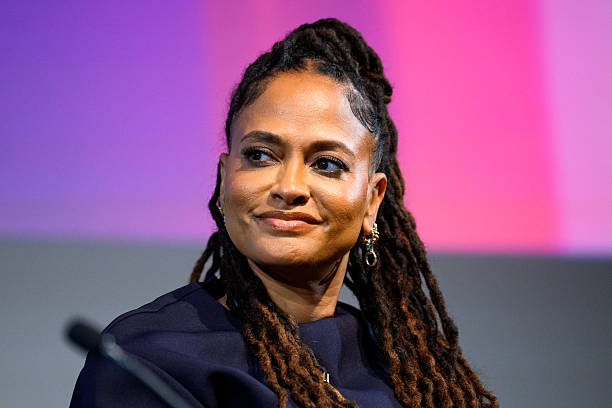
Award-winning filmmaker Ava DuVernay is sharing her perspective on the changing entertainment industry while reflecting on the personal significance of her latest documentary, 14th. During a Screen Talk at the 2026 BFI London Film Festival, the acclaimed director discussed Hollywood’s evolving business landscape, the challenges of financing films, and the importance of telling stories that examine American history. Her remarks come as she prepares to bring 14th, a companion to her acclaimed 2016 documentary 13th, to audiences through Netflix.
According to The Hollywood Reporter, during the festival conversation, DuVernay discussed the changing structure of Hollywood, including the impact of major entertainment mergers and the challenges filmmakers face when seeking financial support for independent projects. The director expressed a critical view of the traditional studio system while reflecting on how her own career has developed outside conventional industry expectations. She also described 14th as a personally meaningful undertaking. Her remarks add to ongoing discussions about the future of independent filmmaking, creative control, and opportunities for storytellers whose projects address challenging social and historical subjects.
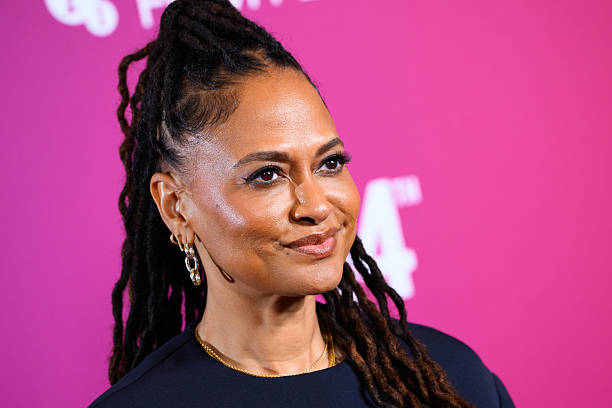
The documentary examines the Fourteenth Amendment to the United States Constitution, exploring citizenship, equal protection, and the historical struggles surrounding civil rights in America. Building on the themes of 13th, which investigated the relationship between mass incarceration and the Thirteenth Amendment, DuVernay’s latest project connects the Reconstruction era with contemporary debates about American democracy. The film premiered at the 2026 New York Film Festival and is scheduled for a limited theatrical release on November 27th, 2026, before arriving on Netflix on December 4th, 2026. DuVernay has also discussed using artificial intelligence to animate historical photographs in the documentary, explaining that the technique was intended to create a more immersive experience for audiences.
DuVernay’s latest work reinforces her commitment to independent filmmaking and historically grounded storytelling as she continues examining the relationship between American institutions, cultural narratives, and social change.
